
time frames

Time Frames in Trading: Which One To Be Used?

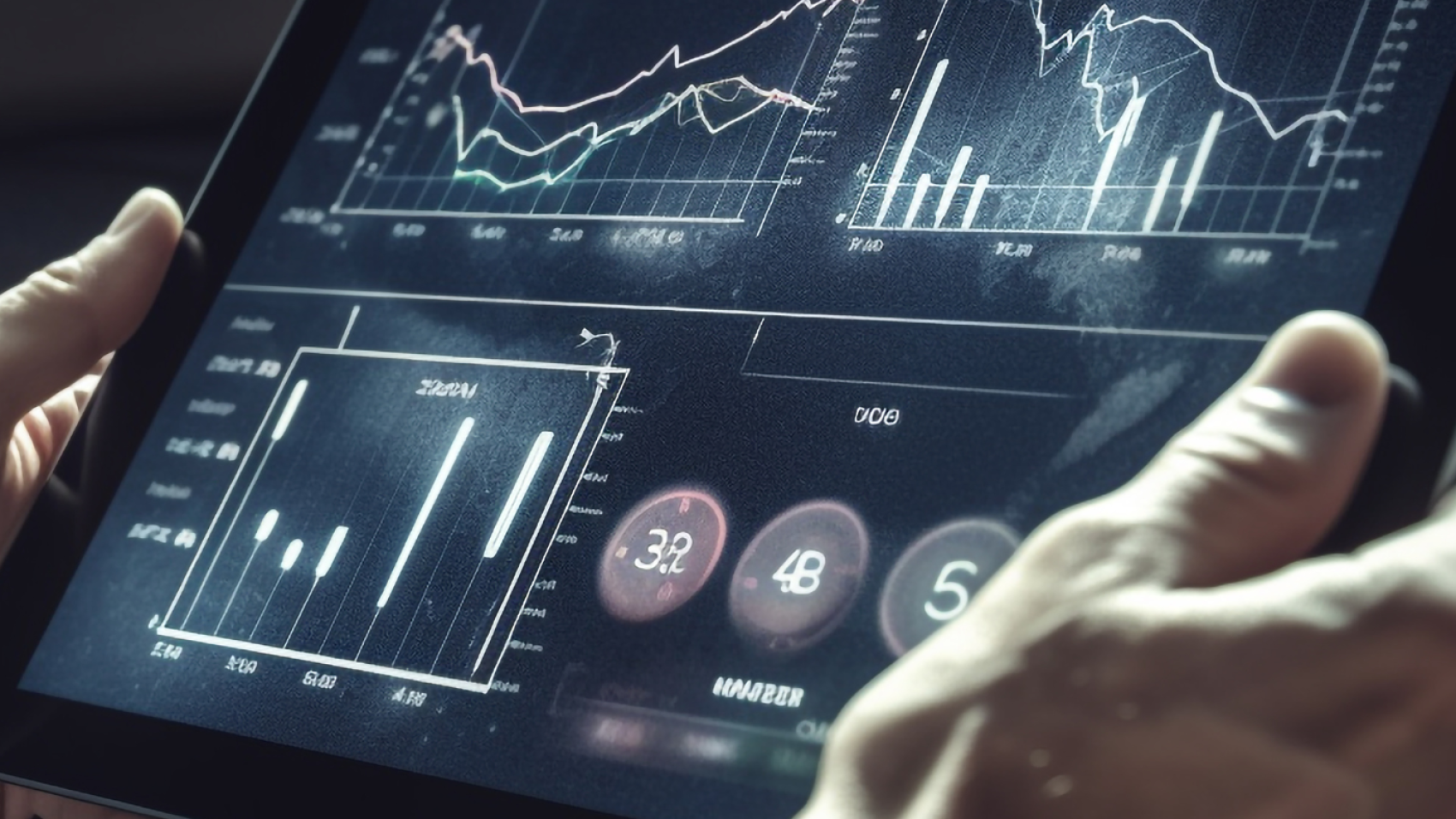
Time frames in trading refer to the chart period you use to analyze the market, such as minutes, hours, or days. Choosing the right time frame is important because it affects your trading style, risk, and mindset. There is no single best time frame for everyone. The right choice depends on how much time you can give, your patience level, and your trading goals.

Short time frames like 1-minute, 5-minute, or 15-minute charts are commonly used by intraday traders. These charts offer many trade opportunities but also come with higher noise and stress. Price moves fast, and decisions must be quick. Beginners may find short time frames difficult because emotions and overtrading can easily lead to losses.

Higher time frames like daily or weekly charts are preferred by swing traders and long-term investors. These charts are smoother and more reliable, with fewer false signals. Trades last longer, and decisions are calmer. Although opportunities are fewer, the quality of trades is often better, making it easier to manage emotions and risk.

Many successful traders use multiple time frames. They analyze the trend on a higher time frame and take entries on a lower one. This gives better clarity and alignment with the market direction. In the end, the best time frame is the one you can follow consistently with discipline and proper risk management.

price action

Indicators vs Price Action: What Is Better?

Traders often debate whether indicators or price action works better for trading. Indicators are mathematical tools based on price and volume, such as RSI, MACD, and moving averages. They help traders identify trends, momentum, and possible entry points. For beginners, indicators can make the market easier to understand by providing clear signals.

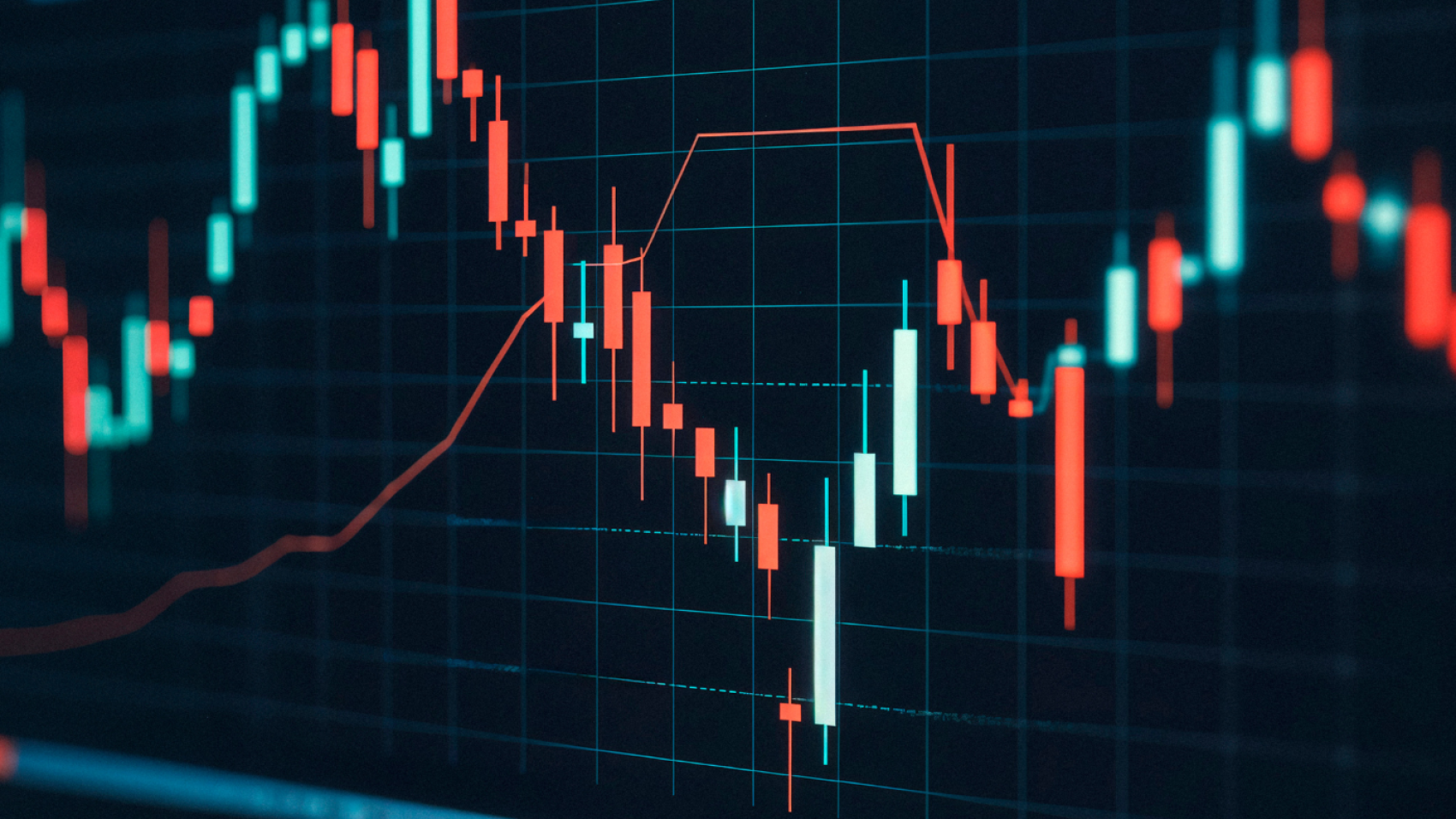
Price action, on the other hand, focuses only on price movement. It includes support and resistance, candlestick patterns, and market structure. Price action traders believe that price shows everything, including news and emotions. This approach helps traders read the market in real time without lag, which is a common issue with indicators.

Indicators work well in trending markets and can confirm direction. However, they often give late signals because they are based on past data. Price action can offer earlier entries but requires more practice and experience. Many traders struggle with price action at the beginning because it feels less clear than indicator signals.

In reality, neither method is best on its own. The most effective approach is often a combination of both. Using price action to understand the market and indicators for confirmation can improve accuracy. What matters most is consistency, discipline, and proper risk management, not the tool itself.

1400x1475

Candlestick Patterns Every Trader Must Know

Candlestick patterns help traders understand market mood and price direction. Each candlestick shows the open, high, low, and close price for a specific time. By studying these patterns, traders can guess whether buyers or sellers are stronger. Candlestick patterns are easy to learn and very useful, especially for beginners.

One common pattern is the Doji. It forms when the opening and closing prices are almost the same. This shows confusion in the market, where buyers and sellers are equal. A Doji often appears before a trend change, especially after a strong uptrend or downtrend. Traders use it as a warning sign, not as a direct buy or sell signal.

Another important pattern is the Hammer and Shooting Star. A Hammer appears after a price fall and shows possible reversal upward. It has a small body and a long lower wick. A Shooting Star appears after a price rise and signals possible reversal downward. It has a small body with a long upper wick. These patterns show rejection of price levels.

Lastly, traders should know Engulfing patterns. A Bullish Engulfing pattern appears after a downtrend and signals a possible rise. A Bearish Engulfing pattern appears after an uptrend and signals a possible fall. In both cases, one candle fully covers the previous candle. While candlestick patterns are powerful, they work best when used with trend, support, and resistance for better results.

option buying

Best Market Conditions for Option Buying

Option buying works best when the market shows strong and clear movement. Since option buyers pay a premium, they need the price to move fast in the expected direction. Trending markets, where prices move steadily up or down, provide better opportunities for option buying. In such conditions, options gain value quickly due to price movement.

High volatility is another important factor for option buyers. Volatility increases option premiums, but it also increases the chance of large price swings. When volatility rises because of events like results, budgets, or major news, option buyers can benefit if they enter early. Quick and strong moves help overcome time decay.

Option buying is also suitable during breakout situations. When the market breaks a strong support or resistance level with volume, prices often move sharply. Buying options during these breakouts can be profitable if the move continues. Sideways markets are usually bad for option buying because time decay slowly reduces option value.

Lastly, option buyers should focus on shorter time frames and proper timing. Entering trades close to the start of a move gives better risk-to-reward. Strict stop-loss and position sizing are essential to control losses. When traders choose the right market conditions, option buying can become a powerful trading method.