
nifty analysis

Market Analysis | Nifty & Bank Nifty | 12-Jan-2026

Technical Outlook for Nifty
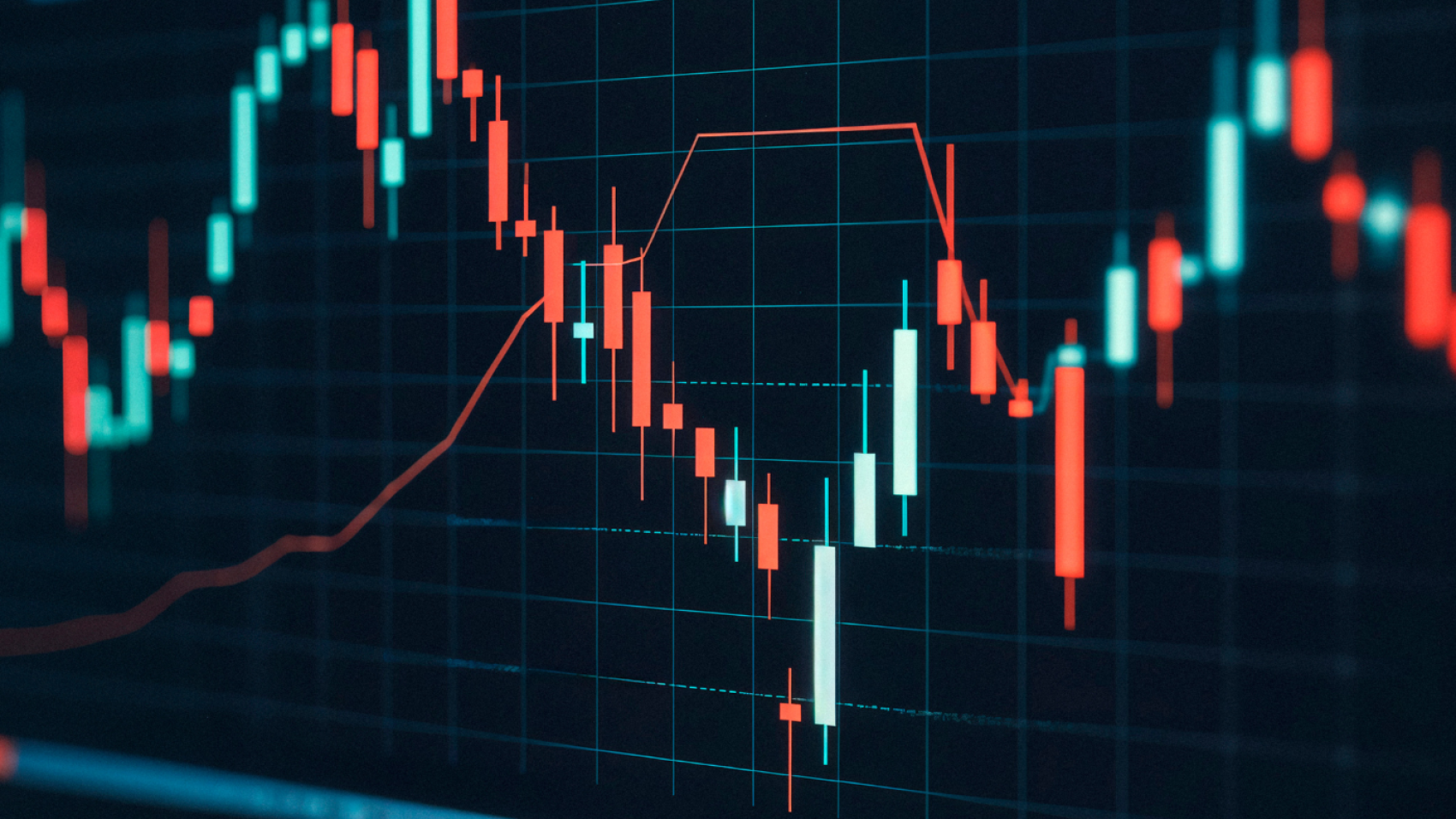
Technical studies show Nifty is in a weak trend with bearish undertones. The formation of long bearish candles and consecutive declines indicates sellers are still active. Important support levels are near 25,800 and then 25,500–25,400. If Nifty holds above these support zones, a short-covering bounce toward 25,900–26,000 might occur. On the upside, 26,000–26,300 is expected to act as resistance, where selling pressure could re-emerge if the index tries to rally.

Technical Outlook for Bank Nifty
Bank Nifty also reflects cautious behaviour. Broad option interest around the 59,000 put zone suggests traders are defending this base. A breakdown below 59,000–58,800 could expose the index to further losses, while any rally faces near-term resistance around 59,500–60,400. This points to a range-bound to slightly weak bias unless strong global or domestic cues spark a breakout.

Summary (Outlook for 12 Jan 2026)

  • Nifty: Weak to range-bound with support near 25,800–25,500; resistance near 26,000–26,300.
  • Bank Nifty: Nervous sideways bias; key pivot at 59,000; upside capped near 59,500–60,400.
  • Risk: Continued foreign selling and global volatility could pressure indices.
  • Opportunity: Technical bounces near support with tight risk management.

Note: This analysis is based on technical levels and market cues and is not financial advice; trading decisions should consider real-time data and individual risk tolerance.

time frames

Time Frames in Trading: Which One To Be Used?

Time frames in trading refer to the chart period you use to analyze the market, such as minutes, hours, or days. Choosing the right time frame is important because it affects your trading style, risk, and mindset. There is no single best time frame for everyone. The right choice depends on how much time you can give, your patience level, and your trading goals.

Short time frames like 1-minute, 5-minute, or 15-minute charts are commonly used by intraday traders. These charts offer many trade opportunities but also come with higher noise and stress. Price moves fast, and decisions must be quick. Beginners may find short time frames difficult because emotions and overtrading can easily lead to losses.

Higher time frames like daily or weekly charts are preferred by swing traders and long-term investors. These charts are smoother and more reliable, with fewer false signals. Trades last longer, and decisions are calmer. Although opportunities are fewer, the quality of trades is often better, making it easier to manage emotions and risk.

Many successful traders use multiple time frames. They analyze the trend on a higher time frame and take entries on a lower one. This gives better clarity and alignment with the market direction. In the end, the best time frame is the one you can follow consistently with discipline and proper risk management.

price action

Indicators vs Price Action: What Is Better?

Traders often debate whether indicators or price action works better for trading. Indicators are mathematical tools based on price and volume, such as RSI, MACD, and moving averages. They help traders identify trends, momentum, and possible entry points. For beginners, indicators can make the market easier to understand by providing clear signals.

Price action, on the other hand, focuses only on price movement. It includes support and resistance, candlestick patterns, and market structure. Price action traders believe that price shows everything, including news and emotions. This approach helps traders read the market in real time without lag, which is a common issue with indicators.

Indicators work well in trending markets and can confirm direction. However, they often give late signals because they are based on past data. Price action can offer earlier entries but requires more practice and experience. Many traders struggle with price action at the beginning because it feels less clear than indicator signals.

In reality, neither method is best on its own. The most effective approach is often a combination of both. Using price action to understand the market and indicators for confirmation can improve accuracy. What matters most is consistency, discipline, and proper risk management, not the tool itself.

war

How Wars & Geopolitical Tensions Affect Markets

Wars and geopolitical tensions create uncertainty in global markets. When such events occur, investors become nervous about the future. This fear often leads to sudden market falls as traders rush to protect their money. Stock prices react quickly because markets do not like uncertainty, especially when it affects global trade, oil supply, or economic stability.

During wars or political conflicts, some sectors are affected more than others. Defense, oil, and energy stocks may rise due to higher demand or supply concerns. On the other hand, sectors like tourism, aviation, and exports often suffer. Investors shift their money from risky assets to safer options, such as gold or government bonds, which impacts overall market movement.

Geopolitical tensions also increase market volatility. News headlines, government statements, or sudden actions can cause sharp price swings within minutes. Traders may face false breakouts and unpredictable moves. Long-term investors may delay investments until the situation becomes clearer, reducing market participation and volume.

In the long run, markets usually adjust once the impact of the conflict is understood. While short-term reactions are emotional, fundamentals matter over time. Traders should avoid panic decisions and focus on risk management. Understanding how global events affect markets helps traders stay calm and make more balanced trading decisions.

seller

Why Option Sellers Have an Edge in the Market

Option sellers often have an advantage because they earn from time decay. Every option loses value as it gets closer to expiry, a factor known as time decay. When traders sell options, this decay works in their favor. Even if the market does not move much, option sellers can still make profits as long as price stays within a range.

Another key advantage is the higher probability of success. Option sellers do not need the market to move in a specific direction. They can profit in sideways, slow-moving, or even slightly wrong market conditions. In contrast, option buyers need strong and fast moves to overcome time decay and premium costs. This makes option selling more consistent when done correctly.

Option sellers also have better control over risk and reward. By using strategies like spreads, hedging, and proper position sizing, sellers can limit losses. They define risk before entering the trade and focus on steady returns instead of big wins. This structured approach helps in protecting capital over the long term.

However, option selling requires discipline, margin management, and market understanding. Losses can be large if risk is ignored. That said, traders who follow rules, manage risk, and stay patient often find option selling more stable and predictable. This is why many professional traders prefer option selling over option buying.

1400x1475

Candlestick Patterns Every Trader Must Know

Candlestick patterns help traders understand market mood and price direction. Each candlestick shows the open, high, low, and close price for a specific time. By studying these patterns, traders can guess whether buyers or sellers are stronger. Candlestick patterns are easy to learn and very useful, especially for beginners.

One common pattern is the Doji. It forms when the opening and closing prices are almost the same. This shows confusion in the market, where buyers and sellers are equal. A Doji often appears before a trend change, especially after a strong uptrend or downtrend. Traders use it as a warning sign, not as a direct buy or sell signal.

Another important pattern is the Hammer and Shooting Star. A Hammer appears after a price fall and shows possible reversal upward. It has a small body and a long lower wick. A Shooting Star appears after a price rise and signals possible reversal downward. It has a small body with a long upper wick. These patterns show rejection of price levels.

Lastly, traders should know Engulfing patterns. A Bullish Engulfing pattern appears after a downtrend and signals a possible rise. A Bearish Engulfing pattern appears after an uptrend and signals a possible fall. In both cases, one candle fully covers the previous candle. While candlestick patterns are powerful, they work best when used with trend, support, and resistance for better results.

block 4

How to Start Trading in India With Small Capital

Starting stock trading in India with small capital is possible if you take the right approach. The first step is to learn the basics of the stock market. Understand simple terms like shares, index, profit, loss, and risk. You should also learn how the Indian stock market works, including NSE and BSE. Avoid jumping into trading without learning, as this often leads to losses.

Choose a broker with low brokerage charges and an easy-to-use app.

When you begin trading, start small and focus on low-risk trades. Avoid using margin or borrowing money in the beginning. Trade in liquid stocks with good volume and stable movement. Always decide your entry, exit, and stop-loss before placing a trade. Risk only a small portion of your capital on each trade to protect your money.

Finally, focus on discipline and patience rather than quick profits. Do not trade based on tips or social media hype. Keep a simple strategy and follow it consistently. Accept small losses as part of learning and avoid revenge trading. With proper learning, risk control, and discipline, you can start stock trading in India even with small capital and grow slowly over time.

blog3

Common Mistakes New Traders Always Make

Many new traders enter the stock market with high expectations and little preparation. One common mistake is trading without proper knowledge. Beginners often jump into live markets after watching a few videos or following tips from others. To avoid this, traders should first learn the basics, understand how the market works, and practice with small capital or paper trading before risking real money.

Another major mistake is emotional trading. New traders let fear and greed control their decisions. They buy when prices are already high and sell in panic when prices fall. This can be avoided by having a clear trading plan with fixed entry, exit, and stop-loss rules. Sticking to the plan helps reduce emotional decisions and improves consistency.

Poor risk management is also a frequent problem. Many beginners risk too much money on a single trade, hoping to recover losses quickly. When the trade fails, the damage is large. To avoid this, traders should risk only a small portion of their capital on each trade and always use a stop-loss. Protecting capital should be the first priority.

Lastly, new traders often overtrade and keep changing strategies. They take too many trades in a day or switch systems after a few losses. This leads to confusion and losses. The solution is patience and discipline. Traders should focus on one simple strategy, follow it consistently, and give it enough time to show results. Avoiding these mistakes can greatly improve a new trader’s chances of success.

strategy

Discipline vs Strategy: What Makes Profits

Many traders spend most of their time searching for the perfect strategy. They believe that once they find the right setup or indicator, profits will automatically follow. While strategy is important, it is only a small part of successful trading. Even the best strategy fails if it is not followed properly. This is where discipline plays a major role.

Discipline means following rules, even when emotions are strong. A disciplined trader enters and exits trades based on a plan, not on fear or greed. They respect stop-loss levels and do not chase trades. In contrast, undisciplined traders break their own rules after a few losses or a few wins. This behavior often leads to bigger mistakes and consistent losses.

Strategy gives direction, but discipline gives consistency. A simple strategy, when followed with discipline, can perform better than a complex strategy used without control. Many profitable traders use basic setups but execute them with patience and strict risk management. They accept small losses as part of the process and focus on long-term results.

In the end, discipline is what separates profitable traders from losing ones. Strategy can be learned, copied, or improved over time. Discipline, however, must be developed through practice and mindset control. Traders who focus on building discipline along with a clear strategy are more likely to survive, grow, and succeed in the stock market.

losing money

Why Most Traders Lose Money in the Stock Market

Many people enter the stock market with big hopes of making quick money. They watch success stories on social media and believe trading is easy. However, the market is risky and not fully under anyone’s control. Most beginners start trading without proper knowledge, planning, or patience. This lack of preparation often leads to poor decisions and early losses.

One major reason traders lose money is emotional trading. Fear and greed strongly affect decisions. When prices go up, traders buy out of excitement. When prices fall, they panic and sell at a loss. Instead of following a clear strategy, they react to market noise. Over time, these emotional moves slowly reduce their capital.

Another common mistake is trading without risk management. Many traders invest too much money in a single trade, hoping for high returns. When the trade goes wrong, the loss becomes very large. They also ignore stop-loss rules and hold losing trades for too long. Without controlling risk, even a few bad trades can wipe out the account.

Finally, most traders lack discipline and consistency. They jump from one strategy to another and keep changing their approach. Some overtrade, taking too many trades in a day. Others depend on tips instead of learning the market. Successful trading requires patience, learning, and strict rules. Without these, most traders continue to lose money in the stock market.